College rivalries are nothing new. But this one didn’t start on the field. It started on a hat.
In August 2025, Baylor University filed a federal trademark infringement lawsuit against Boston University over who has the right to use a specific interlocking “BU” logo. Before we get into the contents of this case, let’s first discuss what trademarks actually are! Understanding what trademarks are and why they matter is key to understanding why two universities would go to court over two letters.
The Trademark Rulebook
A trademark is a word, symbol, or slogan used in commerce that identifies and distinguishes the source of a good or service. A mark like the Nike swoosh on a pair of Nike shoes or the golden arches outside a McDonald’s instantly tells you the company behind the product.
You don’t need to register a trademark with the United States Patent and Trademark Office (USPTO) to have a valid trademark. However, registration gives you legal advantages, including: a legal presumption that your mark is valid, nationwide exclusive rights to use the mark on a specific class of goods/services, and the right to use the ® symbol.
The purpose of trademark law is to prevent consumer confusion. If two logos look too similar, shoppers might mistakenly buy one product thinking it came from somewhere else, or assume that there is an association between the two brands. That’s where Baylor University and Boston University have a problem.
A Logo with a Long History
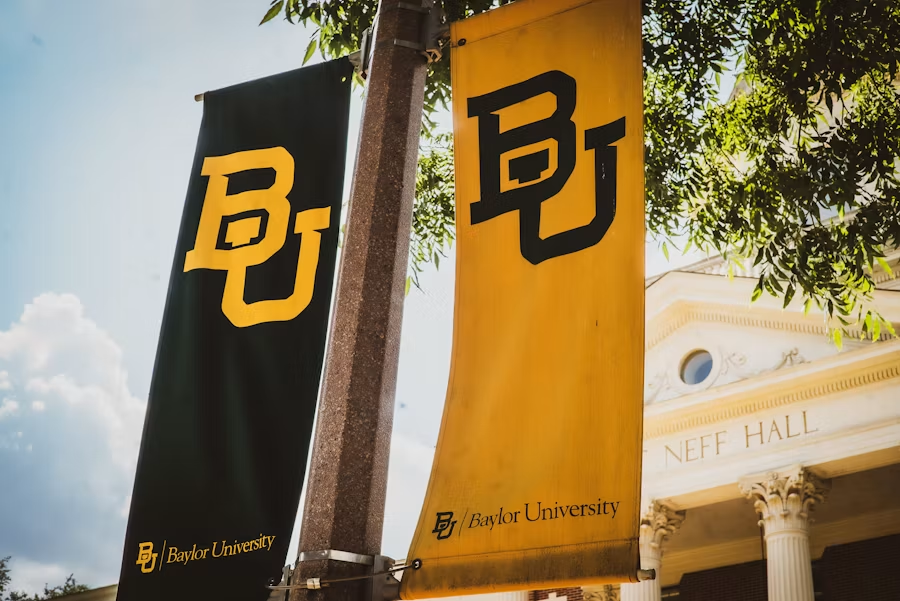
Baylor University has used its interlocking “BU” logo since 1912. That’s over 100 years of continuous use!The Baylor Green and University Gold logo appears on athletic uniforms, merchandise, and campus buildings. Baylor describes it as “one of Baylor’s most recognizable identity designations.”
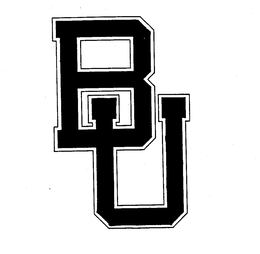
In 1987, Baylor applied to federally register the interlocking BU logo design for use on clothing and merchandise. Today, Baylor holds multiple registrations for the interlocking BU across several classes of goods and services. None of Baylor’s registrations claim a specific color. This means Baylor’s trademark rights cover the shape and stylization of the letters, so, Baylor can present the logo in any color, including black and white!
Boston University shares the “BU” initials, but has historically used them in a side-by-side arrangement in its own branding, most recognizably in scarlet and white.

When Baylor first applied for its trademark registration back in 1987, Boston University opposed it. The dispute was resolved through a 1988 coexistence agreement. A coexistence agreement is a legal arrangement in which parties agree that both can use a mark under certain conditions. Here, both schools acknowledged they share the “BU” initials and that both needed to be able to use them.
According to Baylor, that agreement allowed both schools to use the letters “BU” generally, but did not give Boston University the right to use Baylor’s interlocking design. Both Baylor and Boston University peacefully coexisted… Until they didn’t.
Breaking the Peace
In 2018, Baylor discovered that hats featuring an interlocking “BU” design were for sale in Boston University’s bookstore. Baylor alleges that Boston University’s logo is “essentially identical and/or confusingly similar” to its federally registered marks, and that it appears on identical or related goods and services.
In December 2021, Baylor sent Boston University a cease and desist letter demanding that it stop using the logo. Boston University didn’t stop. Instead of pulling back, Boston University expanded its use of the interlocking BU. The logo spread to more merchandise and club sports gear, as indicated by its club sports brand guidelines.
In August 2025, Baylor filed a federal trademark infringement lawsuit in the United States District Court for the Western District of Texas. Baylor seeks an injunction prohibiting Boston University from using the interlocking BU logo, the destruction of all goods bearing the infringing logo, and reimbursement of Baylor’s legal costs.
Here is what makes this case interesting. Baylor alleges it is not trying to stop Boston University from using the letters “BU” in general. Baylor essentially says: use the letters all you want, just not in our registered interlocking arrangement.
Plenty of schools share those initials! Brown University, Butler University, and Bucknell University, just to name a few! But none of those universities are defendants in this lawsuit. There’s a reason for that. Baylor has a registered trademark covering an interlocking block-letter BU logo design, and Boston University is the only other university using a similar interlocking BU logo on the same type of goods.
What is Trademark Infringement?
Trademark infringement is when someone uses a mark without permission in a way that is likely to confuse consumers as to the product’s source or association. To win a trademark infringement lawsuit, the party alleging infringement must show two things: (1) it has a valid trademark, and (2) there is a likelihood of consumer confusion regarding source or association.
Federal registration gives Baylor a presumption that its marks are valid. So the main question is whether Boston University’s use of an interlocking BU logo is likely to cause consumer confusion. Actual confusion does not need to be proven. Baylor only needs to show that confusion is likely.
Courts consider several factors to determine whether there’s likely consumer confusion. Courts don’t need to consider every factor. Instead, courts weigh all of the relevant factors in a balancing test. Let’s walk through the factors that matter most here.
Sizing Up the Case: Who Has the Stronger Argument?
Strength of the Plaintiff’s Mark
First, courts look at the strength of the plaintiff’s mark, considering both its market strength and its trademark strength. Market strength refers to how recognizable the mark is among consumers. Baylor has used the interlocking BU for over 100 years! The logo appears on athletic uniforms and has received decades of national exposure through NCAA athletics, including championships in multiple sports. Baylor also runs an extensive licensing program, with more than 300 companies currently licensed to put the interlocking BU on their products sold across the country. With national broadcasts and fans nationwide, Baylor’s logo enjoys significant visibility. It’s easy to see how Baylor’s interlocking BU logo would be widely recognized.
Trademark strength refers to how distinctive a mark is, meaning its ability to identify and distinguish that a good comes from a single source. Distinctiveness is measured on a spectrum. At the strongest end are inherently distinctive marks, including fanciful, arbitrary, and suggestive. These marks are deemed to be “inherently distinctive”, meaning they identify a source immediately and do not require time to acquire distinctiveness. At the weaker end are descriptive marks, which must acquire distinctiveness through secondary meaning (consumer association with the source) to receive protection. Baylor’s interlocking BU is a stylized arrangement of block letters, not just the initials “B” and “U.” Baylor holds multiple registrations for the logo, which reflects that the USPTO already determined the logo is distinctive enough to be protected. Overall, Baylor’s mark is considerably strong. This factor strongly favors Baylor.
Similarity of the Marks
Next, courts look at the similarity of the marks. Looking at the images in the complaint, the logos look incredibly similar. Both use block letters “B” and “U” in an interlocking arrangement. The schools do use different colors in their primary branding: Baylor in green and gold, and Boston University in scarlet and white. However, both schools also sell black-and-white versions of the logo on merchandise, which makes it even harder to tell them apart! This factor favors Baylor.
Relatedness of the Goods
Turning to the next factor, courts will compare the similarity of the class of goods connected to each mark. Both schools sell collegiate merchandise and apparel featuring the interlocking BU logo: t-shirts, hats, sweatshirts, and other apparel. Since the goods fall within the same apparel class, this factor is easily satisfied. This favors Baylor.
Marketing and Advertising Channels
Next, courts will look at the types of marketing and advertising channels the parties use and if there are any similarities. This factor asks where the goods are sold and whether consumers are likely to encounter both marks in the same place. Both schools use the same or similar channels of trade. Both sell merchandise through campus bookstores, their own online stores, and some of the same third-party retail sites, including Amazon.
When shoppers are inside a Baylor or Boston University bookstore, they almost certainly know which school they’re buying from. The harder question is what happens on third-party sites, where both schools’ interlocking BU products may appear side by side in the same search results. The courts will need to consider this nuance. This factor favors Baylor because the goods travel in similar trade channels.
Expansion Into the Other’s Market
Courts also consider whether either party is likely to expand into the other’s market. Both Baylor and Boston University are already in the same market of collegiate merchandise and sell products through campus bookstores and online. However, they have different supporters.
Consumer Sophistication and Care
Lastly, courts will look at the probable degree of care and sophistication consumers exercise when buying these products. This factor asks how much attention consumers typically pay when shopping for these products. Generally, courts find that less expensive items lead to less careful purchasing decisions, which increases the likelihood of consumer confusion. Dedicated fans who follow Baylor and Boston University are likely to know the difference between their school’s merchandise. They often treat university merchandise as sentimental and pay closer attention to what they’re buying.
However, that level of care and sophistication may not apply to all consumers. Casual shoppers, new fans, and gift buyers who are less familiar with the universities may exercise far less care. For those consumers, two nearly identical interlocking BU logos on similar products could be confusing, especially when displayed in black and white on a third-party site where both schools’ products may appear side by side. This factor is mixed.
Several of the factors above seem to favor Baylor. However, Boston University may raise several counterarguments. For instance, Boston University will likely point to the practical realities of this dispute. The schools are roughly 2,000 miles apart and have distinct school colors, identities, and fan bases. Boston University will also likely argue that an informed buyer who loves Boston University would never mistake green and gold Baylor merchandise for scarlet and white Boston University merchandise, and vice versa. Additionally, Boston University may point to the absence of any reported incidents of actual confusion referenced in Baylor’s complaint. While actual confusion is not required to win an infringement claim, Boston University will likely argue its absence supports its position.
Ultimately, it will be up to the court to weigh these factors and decide. Luckily for the court, this isn’t the first time universities have clashed over logos…
This Playbook Has Been Run Before
In University of South Carolina v. University of Southern California, both schools used the abbreviation “USC” and had similar interlocking “SC” logos for athletic merchandise. Southern California had already registered its interlocking “SC” logo. When South Carolina attempted to register its own interlocking “SC” logo, Southern California opposed the application. South Carolina then counterclaimed to try to cancel Southern California’s registration. The appellate court that reviewed this opposition sided with Southern California, denying South Carolina’s registration and dismissing its counterclaim. The court found the marks were legally identical, appeared on the same type of goods, and were sold through overlapping channels of trade, including some of the same websites. The court reasoned that those three factors were enough to establish a likelihood of confusion.
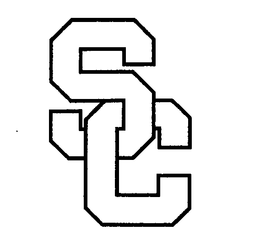
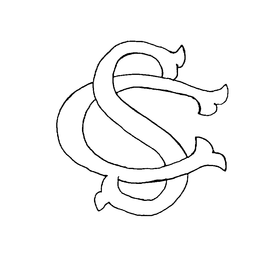
The court acknowledged that dedicated fans could probably tell the two schools’ “SC” logos apart. After all, one logo used block letters and the other used script, which might cause dedicated fans to hesitate. Yet the court also recognized that casual shoppers, new fans, and gift buyers may not scrutinize small design differences. So, the court ultimately held that consumers could be confused by the logos. University of Southern California was confirmed as the sole owner of the interlocking SC.
The takeaway from the battle of the USC is this: identical marks, same type of goods, and same channel of trade can be enough to tip the scales toward a finding of likelihood of confusion, even if dedicated fans would never mix up the schools’ merchandise. If the court in the Battle of the BUs is persuaded by similar reasoning, Baylor’s odds look good.
More Than School Spirit: Why the Stakes Are High
College logos are not just school spirit. They are serious business!
College Branding is Big Business
Universities are not just educational institutions. They are brands that generate substantial revenue. Like any brand, their logos are among their most valuable assets.
Collegiate licensing is a multi-billion dollar industry. Baylor, like many universities, operates an extensive trademark licensing program. Every hat, hoodie, and t-shirt bearing the interlocking BU is a revenue opportunity. That revenue flows through trademark licenses, which are legal agreements where a university (licensor) grants permission to manufacturers and retailers (licensees) to make, sell, or distribute goods using its trademark. In exchange, the university receives trademark royalties, payments typically calculated as a percentage of revenue from every sale. Think of it like renting out your logo.
Baylor currently works with 300 licensees. That means more than 300 companies pay to have the interlocking BU on their products. This revenue stream funds athletics, scholarships, and university operations. Protecting the logo from confusingly similar logos safeguards a major revenue stream for the university. If consumers can’t tell which BU they’re supporting, sales can shift to the wrong school, royalties can drop, and the value of the brand can weaken.
Brand Control, Recruiting, and Fan Engagement
Trademarks allow universities to control who can use their marks and how. That power ensures quality control and protects against unauthorized or inappropriate uses that could damage a school’s reputation.
This matters especially in a competitive higher education market. A clear, well-protected logo helps a school stand out among competitors. A strong logo signals prestige, stability, and institutional pride.
Prospective students and student-athletes notice a school’s logo on athletic uniforms or merchandise long before they ever read a brochure or visit campus. A strong, recognizable logo signals that the program is established, invested, and worth being a part of.
If two schools use nearly identical interlocking BU logos, the signal gets muddied. Whether it’s a fan buying a sweatshirt, a recruit watching a highlight video, or a sponsor evaluating a partnership, consumers should know precisely which “BU” they are supporting. When consumers can’t tell a difference, that’s a big problem.
For alumni, a school’s logo carries deeper meaning. It represents years of memories, identity, and community. Alumni buy merchandise because it symbolizes their connection to the school. The emotional connection also motivates them to give back. Donors give more when they feel a strong sense of pride and belonging. A confusingly similar logo from another school threatens that bond that drives alumni loyalty and donor generosity.
This is Not About Owning Two Letters
This point is worth making clear: Baylor is not trying to monopolize the letters “B” and “U.” The dispute is not about the alphabet. It is about the specific way Baylor stylizes the letters in an interlocking arrangement. The letters “B” and “U” belong to everyone. The question is whether this particular arrangement belongs to Baylor.
Where Things Stand Now
The Boston University and Baylor University litigation is ongoing. Universities across the country are watching closely.
Stay tuned to find out who “wins” the battle of the BUs!

Lauren Black
Assistant Blogger
Loyola University Chicago School of Law, J.D. 2027