From the Ground Up
On Friday, February 9, I traveled to Napoli (Naples) with 7 members of my science class and our professor Stefania Galdiero. A native to Naples, Stefania studies the chemistry used in producing pharmaceuticals. Our class is titled Science of Italian Art, and in it, we talk about the many ways science and art overlap. (Think: DaVinci using his artistic talents to create accurate diagrams of human anatomy.) Stefania showed us around Naples for a day, taking us on a tour of the university lab where she works, as well as tours of a nearby Accademia di belle arte (really cool college for art students), and the underground caverns that helped shape the city.
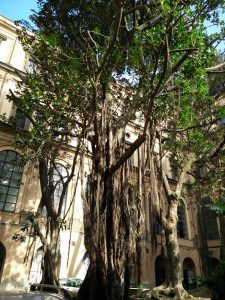
The Accademia in Naples is one of the busiest, most prominent of all the accademie in Italy. Every major city has one, they are essentially museums and spaces to hold huge collections of fine art. David, the star of last week’s post, is housed in the Accademia of Firenzi. The one we visited in Naples is not only a home for works of art, but a school for young artists themselves. The walls are lined with sculptures donated by artists for the students to practice sketching and painting. Students at the accademia study there for five years, before going on to become cinematographers, painters, musicians and actors. One of our guides boasted at the workshop adjacent to the stage, where students and professors design and build all of the set pieces for the plays put on in the college. No other college in Europe, according to our guide, builds their own stage materials that they use in their plays. I couldn’t help but imagine what day to day life might be like for the students here. How much fun it must be to study sculpture, restoration, or cinema in a place like this. The few students that were there on Friday afternoon would laugh and share a cigarette with the professors they passed, before bounding down one of the open air hallways on their way to the studio. It was thrilling to see the workshops and spaces where artists of the future were learning and perfecting their crafts.
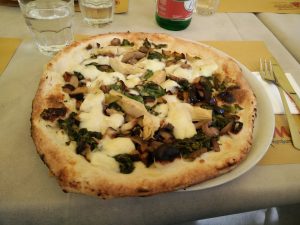
For lunch, of course, we had pizza. Now, the story goes that impoverished people in Naples were among the first to start adding tomato to their flatbread as a topping. Much of Europe believed the tomato to be poisonous when it was first brought in from the Americas in the 16th century. Once enough people figured out that tomatoes were not killers, pizza was born. As the dish gained popularity, more people traveled to Naples to try it, even venturing into the poorer parts of the city where the food was first created. The pizza I had in Naples was very good, (I had a veggie pizza with spinach, artichoke, and mushroom) but it was nothing life changing or magical as the hype had led me to believe. (Remember, I’m from Chicago) That being said, if you’re ever on the hunt for the perfect slice, Naples is a great place to start. I only tried it at one restaurant so there is plenty of uncharted cheesy territory left to explore.
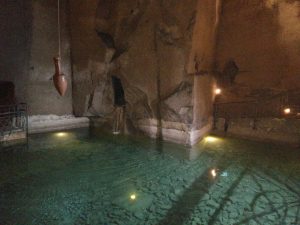
After lunch, we squeezed down into what some refer to, creepily, as the womb of Naples. 40 meters below the bustling city is a complex labyrinth of tunnels that have been used for various purposes since the Greeks founded the city in the 7th century BC. First, a quarry was dug out to provide materials with which to literally build the city. The stone and metals from the Earth were used during the construction of Naples. The underground passages and caverns have an area larger than the city itself, and it was all carved by hand with chisels, hammers, and muscle. Looking up at the high ceilings, we could see the marks and divots left by the workers’ chisels. Decades later, the caves were filled with water and used as the city’s aqueduct system. Those who lived there used wells to access and bring up the water as they needed it. The smallest workers would climb down the walls of the well to clean the inside of the reservoirs as needed. Our guide told us that wealthy families would sometimes pay the workers extra to make sure their portion of the aqueduct was always full of clean water, often leaving others to deal with empty or dirty wells. For about 60 years, the caverns were used as the city’s garbage dump, but was cleaned up at the beginning of World War II. The space then provided shelter for Neapolitans as thousands of bombs were dropped on the city over the course of the war. In many ways, the caverns underneath Naples allowed for the city’s survival.
Overall, Naples is a very exciting place. The streets are alive with activity like they are in Rome. Motorcycles and scooters whiz by you on what you thought was a sidewalk, and every corner has a vendor selling something that smells delicious. There is graffiti on every building and a lot of garbage around. Some of the people in our group thought it was a bit too dirty, but I liked the artsy creative feel of every alley. I liked that the city doesn’t try to be too neat, or perfect. It just lives. Naples has been doing things differently since it created pizza in the 1700s and they don’t plan on changing their ways any time soon. While most of our group stayed in Naples for the weekend, I decided to make it a day trip. Even though it was only one day, I felt that I had seen and done plenty by the end of it. I realized this week that I don’t have to visit a new country or city every weekend. Planning these trips can be very stressful, especially on a student budget. I almost forgot that Rome alone is full of adventure and things to see. So I came back to Rome that evening, excited to get to know the city I started in.
Just outside the entrance to La Accademia di Belle Arte
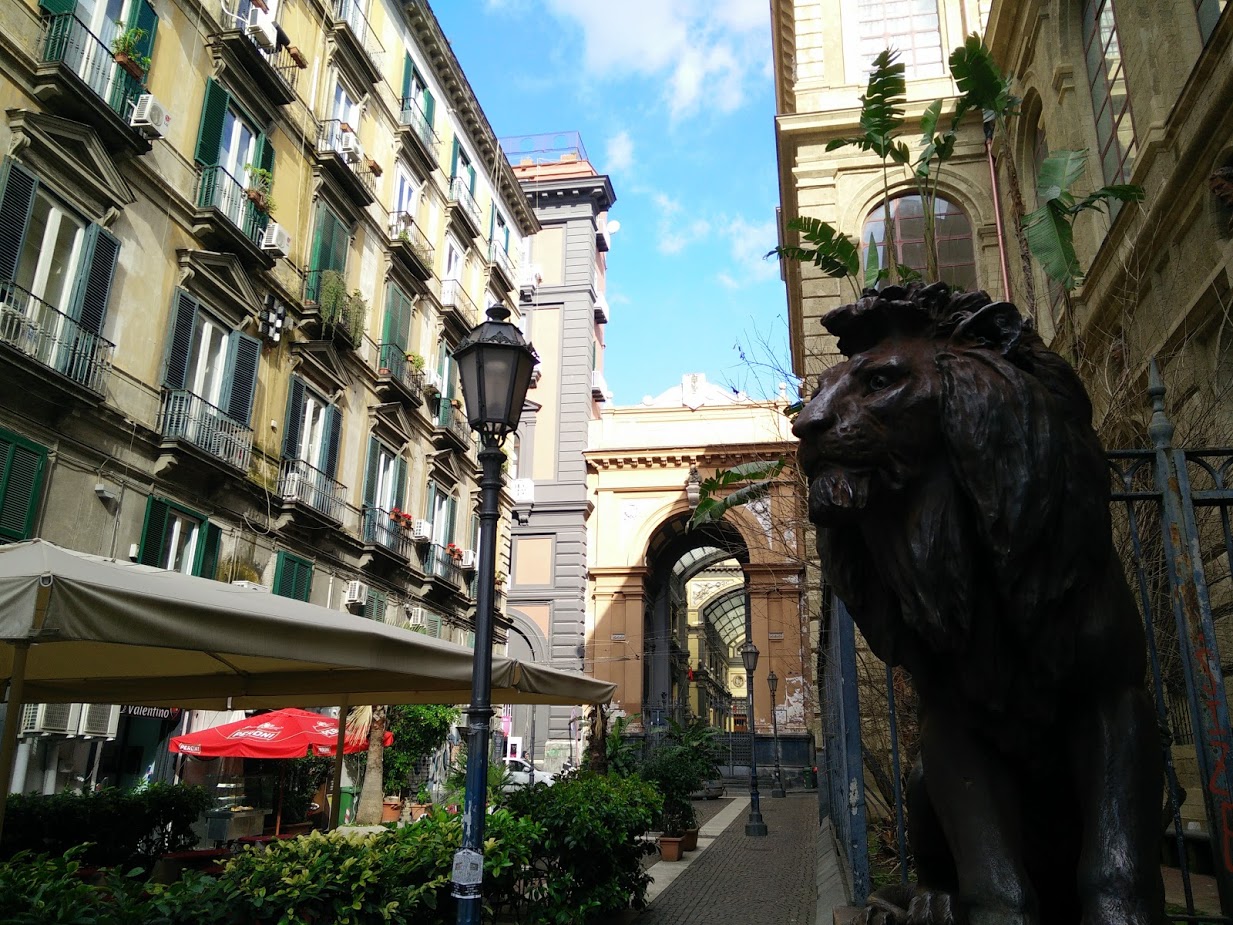 The Courtyard of La Accademia What the ancient aqueducts had looked like
The original Pizza!
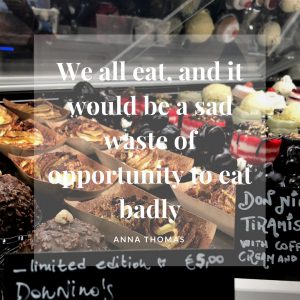 From there I can schedule which posts go on Facebook and Twitter by plugging that bucket into whatever time slot I want. I’ve used MeetEdgar twice, but now I think I’ve got a much better understanding of how it works. Then there is Instagram where I need to be posting every Monday, Wednesday, and Friday at a time I think would reach the most followers. This would be fine if I had images to share. The Roman Guy is a fairly new company so they don’t have a ton of their own pictures. This being said, I need to be going out and taking pictures myself of the various foods and fresh food markets that are in Rome. I’m finding this difficult because I don’t have any income so I can’t always be going out to different places to take amazing food pictures for my posts. With these pictures I do manage to take, I have to create multiple images with polls, quotes, questions, etc. to post at scheduled times. It’s also hard because a lot more time is needed, in my opinion, than the 10-hour average per week that is recommended. It feels heavy especially when also managing school work. This is leaving my content not as amazing as I would like it to be (see attached images). Additionally, it’s my responsibility check on these social media accounts and interact with our followers. I won’t lie
 , I feel pretty discouraged.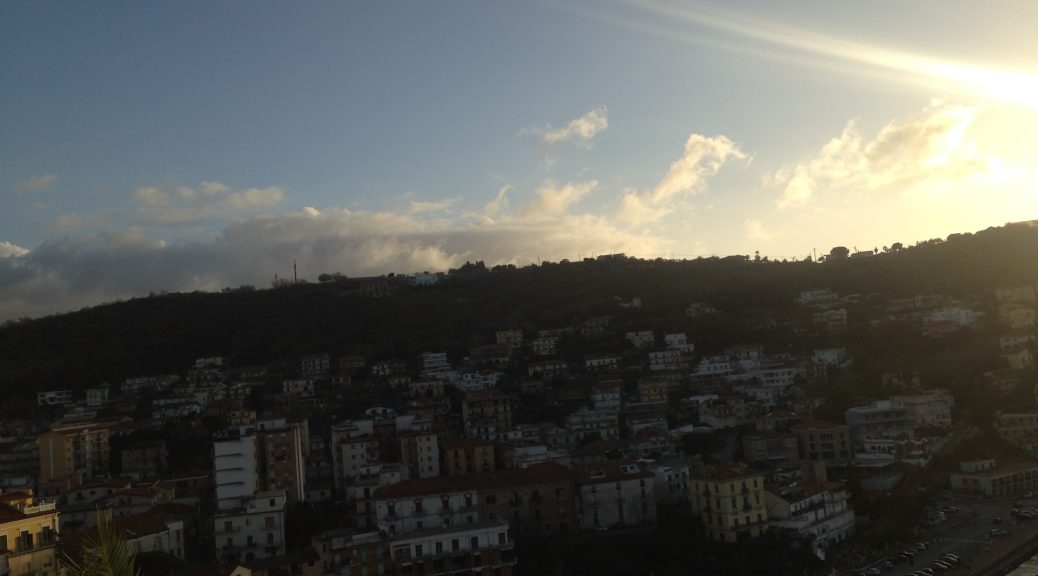

 media sites by 20% by April. I don’t anticipate that being incredibly difficult since their sites are ideal for finding amazing spots all around Rome. The whole process of dressing business casual, taking the metro, drinking espresso, and working for a Rome based company makes me feel more local than a tourist the longer I’m here. Every Thursday, everyone in the office does Thirsty Thursday and has a glass of wine together to boost morale. It really takes the pressure off working throughout the week. My main task as of now is to create my own schedule to produce content to post in Instagram, Twitter, and Facebook throughout the week. I’m loving the creative freedom and the opportunity to produce unique content to help the company grow.